AFRICA DOUBLE-LAYER LICENSE PLATE CASE STUDY
Premium Case Study · Aluminum Foil · Borderless Production · Integrated Manufacturing
From a hard-to-solve supplier issue to a stable, scalable double-layer license plate solution
This case study is built for an overseas audience: it focuses on the real pain points behind double-layer license plates, and how we help customers move from trial-and-error to a production-ready solution with better material performance, lower waste, and higher consistency.
Overview
What made this project difficult
The customer was not simply looking for a plate supplier. He needed someone who truly understood the structure of a double-layer license plate and could solve the critical issues that prevented stable manufacturing.
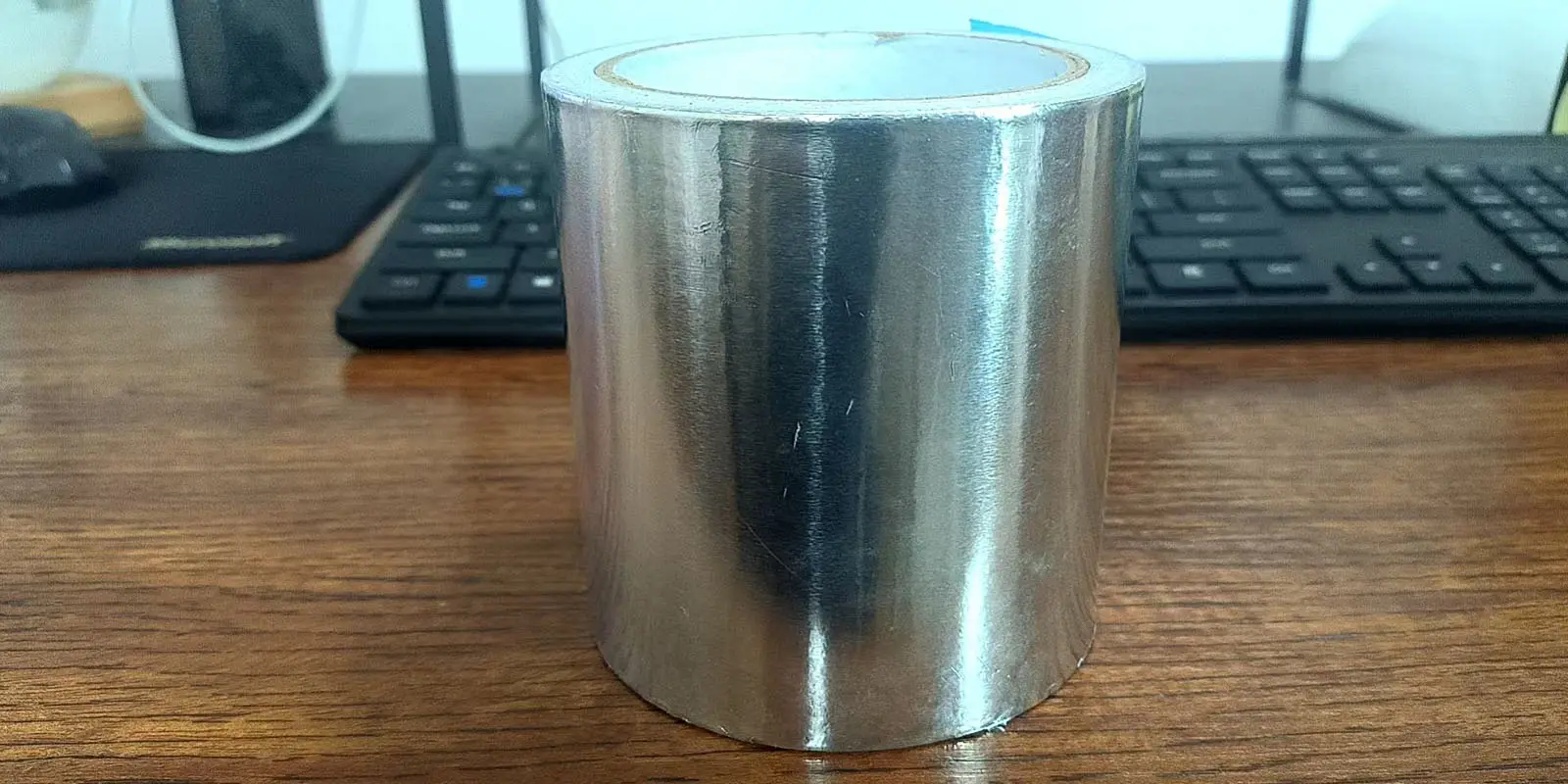
- The key layer, aluminum foil, was not properly matched to the process
- During embossing at the issuing center, the foil could not peel cleanly
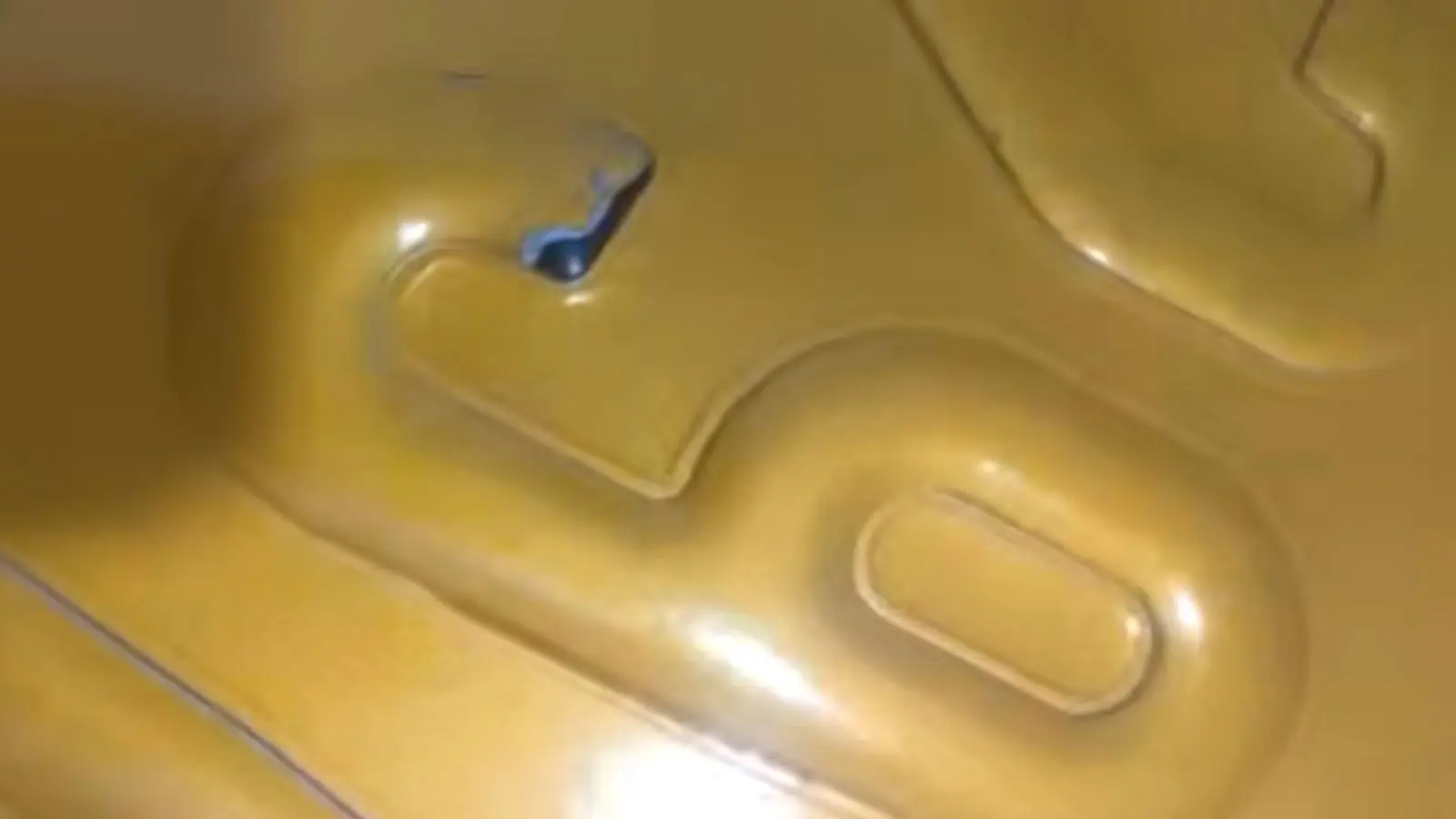
- Residual adhesive remained on the surface, affecting appearance and consistency
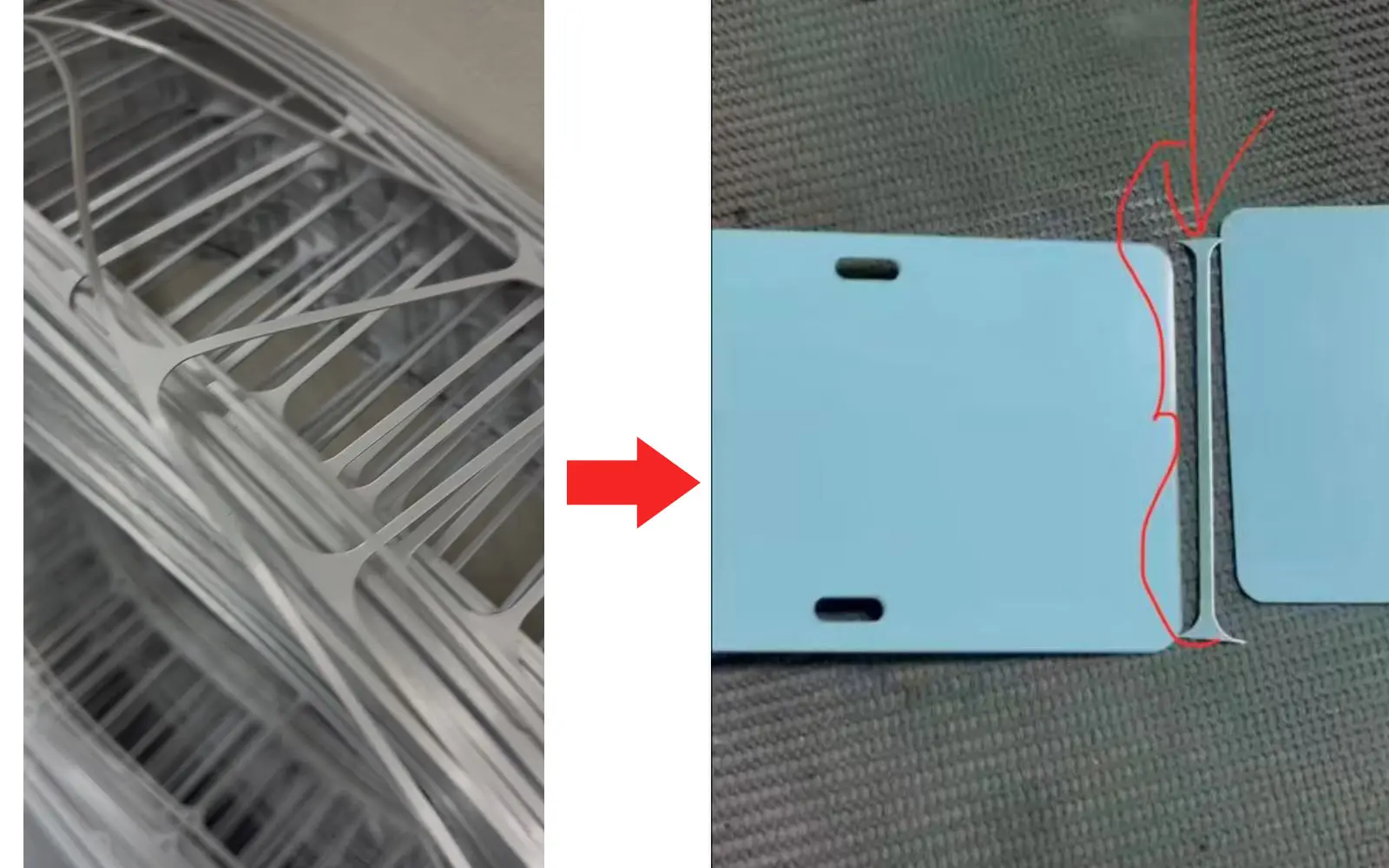
- The previous supplier had no borderless production design, resulting in unnecessary material loss
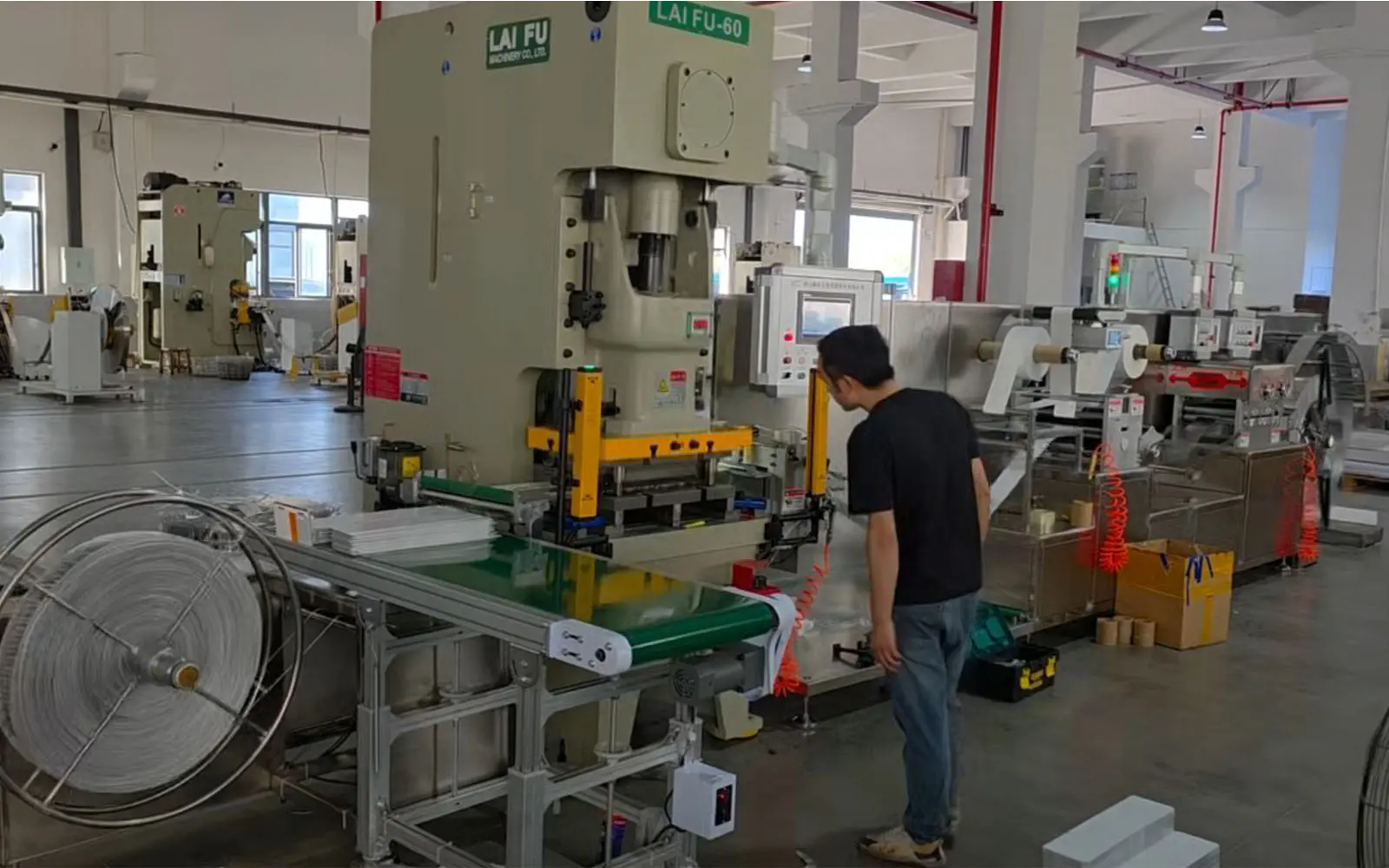
- The equipment was assembled from outsourced parts rather than engineered as a unified system
110mm
Borderless production needs only a 110mm aluminum coil
116mm
A bordered workflow adds 6mm of pure waste
3-Layer
Aluminum plate + aluminum foil + reflective film
Integrated
Material, process, and equipment aligned as one system
Africa MarketHigh-Consistency OutputLow Waste ProductionProcess EngineeringOEM / ODM Support
01 · Market Context
Understanding the real challenge behind a double-layer plate project
For overseas buyers, especially in emerging markets, a license plate solution is rarely just about the visible product. The real value lies in whether the production process can run reliably, cost-effectively, and in line with local requirements.
Standard plate structure
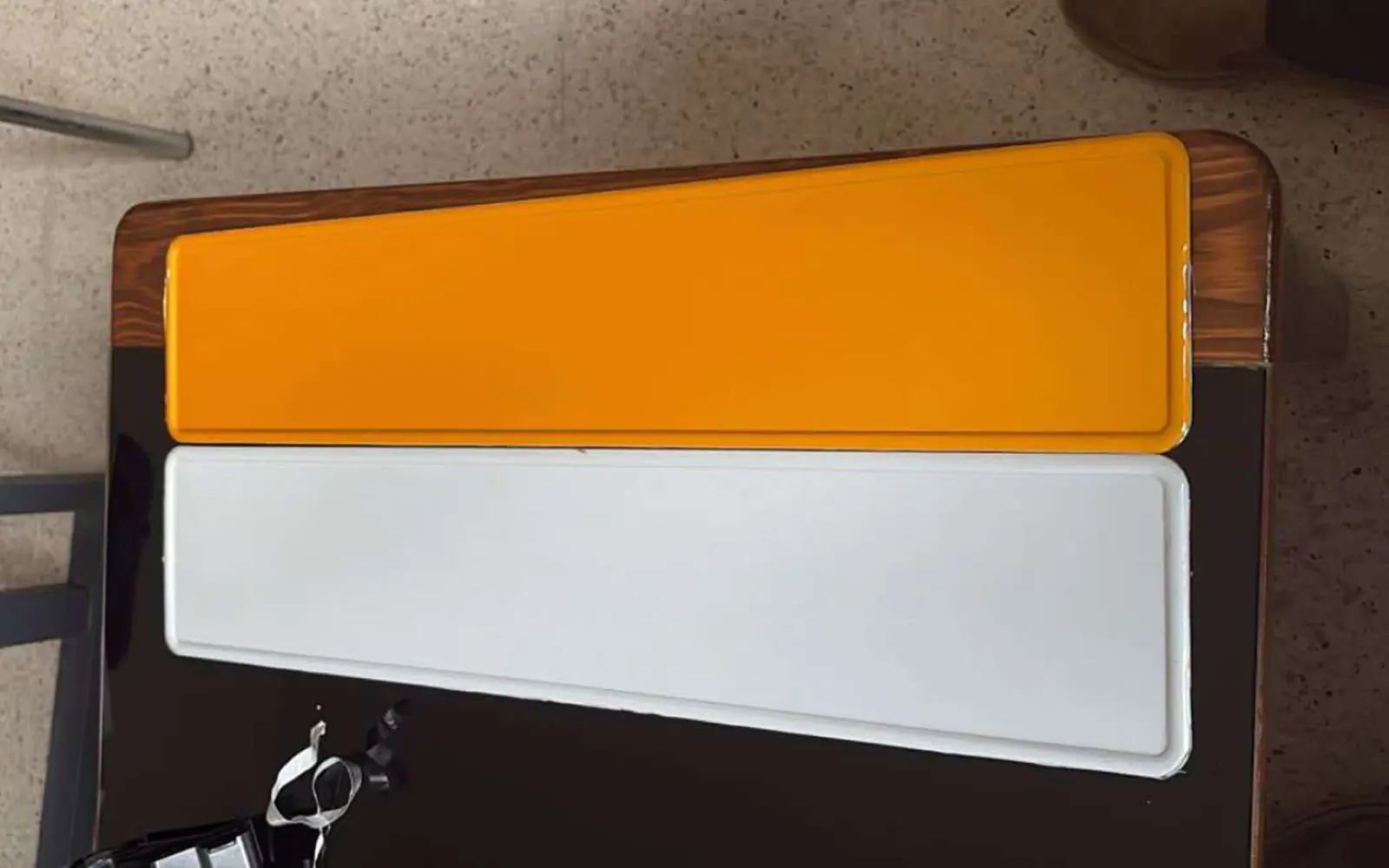
Most conventional plates are built with aluminum plate + reflective film. The process is relatively straightforward and widely available.
Double-layer plate structure
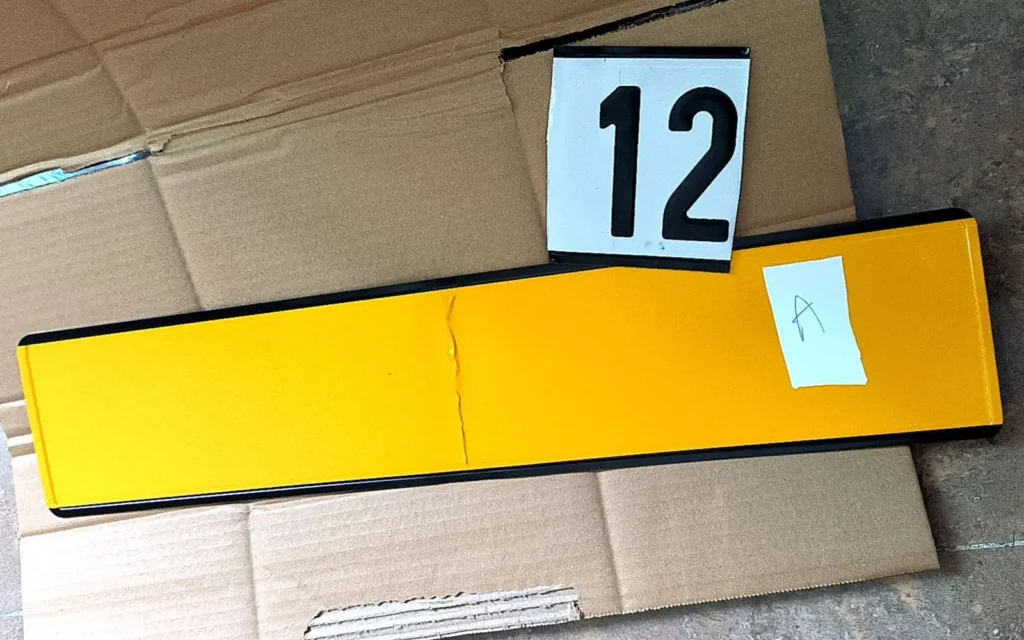
The double-layer version adds a critical intermediary layer: aluminum foil. That extra layer changes the entire logic of peeling, embossing, and adhesive control.
In this project, the decisive factor was not whether the plate could be made — it was whether the plate could be made cleanly, consistently, and at scale.
That is where many suppliers stop, and where our solution begins.
02 · Customer Pain Points
When the real bottleneck is not the product, but the process
The customer had already spoken to several suppliers. The issue was not the lack of products, but the lack of a supplier who could solve the manufacturing details behind the product.
Foil compatibility
The selected foil did not peel cleanly after embossing, which led to sticky residue and unstable final quality.
Borderless layout missing
The previous process was designed with borders, forcing the customer to consume more aluminum than necessary.
Non-integrated equipment
The equipment was assembled from external parts without proper system integration, which limited overall stability.
Borderless workflow: 110mm aluminum coil
Bordered workflow: 116mm aluminum coil
Extra 6mm = pure material waste
03 · Our Approach
A solution built around materials, process, and manufacturing logic
We did not approach this as a simple supply request. Instead, we treated it as a complete production challenge and rebuilt the solution from the ground up.
Material selection
We re-matched the aluminum foil to the embossing workflow so the foil could separate more cleanly and reduce adhesive residue.
Borderless production
We redesigned the layout and coil usage to eliminate unnecessary edge waste and improve aluminum utilization.
System integration
We aligned the equipment architecture so that the line functions as a coordinated production system rather than disconnected machines.
Our role was not just to supply a plate line. Our role was to make sure the customer could produce a stable, repeatable, and commercially viable result.
That is the difference between a vendor and a solution partner.
04 · Case Story
How a difficult customer requirement became our strongest proof of capability
The customer had previously worked with suppliers who could provide components, but not a complete answer. The aluminum foil issue remained unresolved, and the production waste stayed unacceptably high.
The first attempts were incomplete
Suppliers could offer materials or equipment, but they could not guarantee that the foil would peel properly after embossing.
The real issue was hidden in the process design
The problem was not only about the material itself. It was about the lack of a full process architecture: material, tooling, feeding, embossing, and layout were not designed as one system.
We rebuilt the solution from the root
We selected a better foil, redesigned the borderless workflow, and improved the equipment coordination to create a more reliable production path.
The customer moved from trial to scalable production
Once the process was corrected, the project was no longer stuck on peeling problems or adhesive residue. It became a production-ready solution.
The turning point was not delivering another machine. The turning point was delivering a way to make the double-layer plate actually work.
That is the story we want this page to tell.
05 · Results
What changed after the solution was implemented
The value of the project was not only in solving a single technical issue, but in restoring confidence in the entire manufacturing chain.
Smoother peeling
The foil separates more cleanly after embossing, reducing interruptions and rework.
Less residue
The final plate surface becomes cleaner and more consistent.
Lower waste
Borderless production helps the customer save aluminum and improve yield.
Better scalability
The production line is now positioned for more stable batch output and long-term growth.
For the customer, the real win was simple: the project finally became manufacturable.
06 · Closing Statement
Why this case matters for overseas buyers
In international trade, buyers rarely purchase only a product. They purchase confidence: confidence that the process will work, the waste will stay under control, and the result will be suitable for local deployment.
This Africa-focused double-layer license plate case shows how we help customers move beyond component sourcing and into true manufacturing capability. By aligning the aluminum foil, the borderless process, and the equipment architecture, we turned a difficult requirement into a practical, scalable solution.