

High visibility reflective tape strip is a simple product on the surface, but in real use it serves an important safety function. It is designed to improve visibility in low-light environments by reflecting light back toward the source, helping people, vehicles, garments, bags, tools, or equipment stand out more clearly at night or in poor weather. For many buyers, the challenge is not just understanding what reflective tape is, but figuring out which type is suitable for the actual application.
In practical terms, a high visibility reflective tape strip is a narrow strip of reflective material used to improve conspicuity on clothing, vehicles, equipment, safety gear, or industrial products. The right choice depends on reflectivity level, backing type, durability, application method, and whether the product needs to meet any relevant standards.
This is why the keyword has both product and procurement value. Some searchers want a basic definition, while others are evaluating material options for workwear, road safety, logistics, transport equipment, or industrial use. A useful article should go beyond product-page language and help readers understand performance, applications, and buyer considerations before making a decision.
[Claim]
High visibility reflective tape strip is most useful when buyers select it based on actual application needs such as visibility level, surface compatibility, durability, and compliance requirements, rather than choosing by appearance or price alone.
What Is High Visibility Reflective Tape Strip?
High visibility reflective tape strip is a reflective material cut into narrow strips or rolls so it can be applied to surfaces that need improved visibility. Depending on the product type, it may be sewn onto fabric, heat transferred onto garments, or adhered directly to smooth surfaces such as metal, plastic, helmets, tools, trailers, or equipment.
In short, it is a reflective strip that helps a person or object become easier to see when exposed to headlights or other directed light sources.
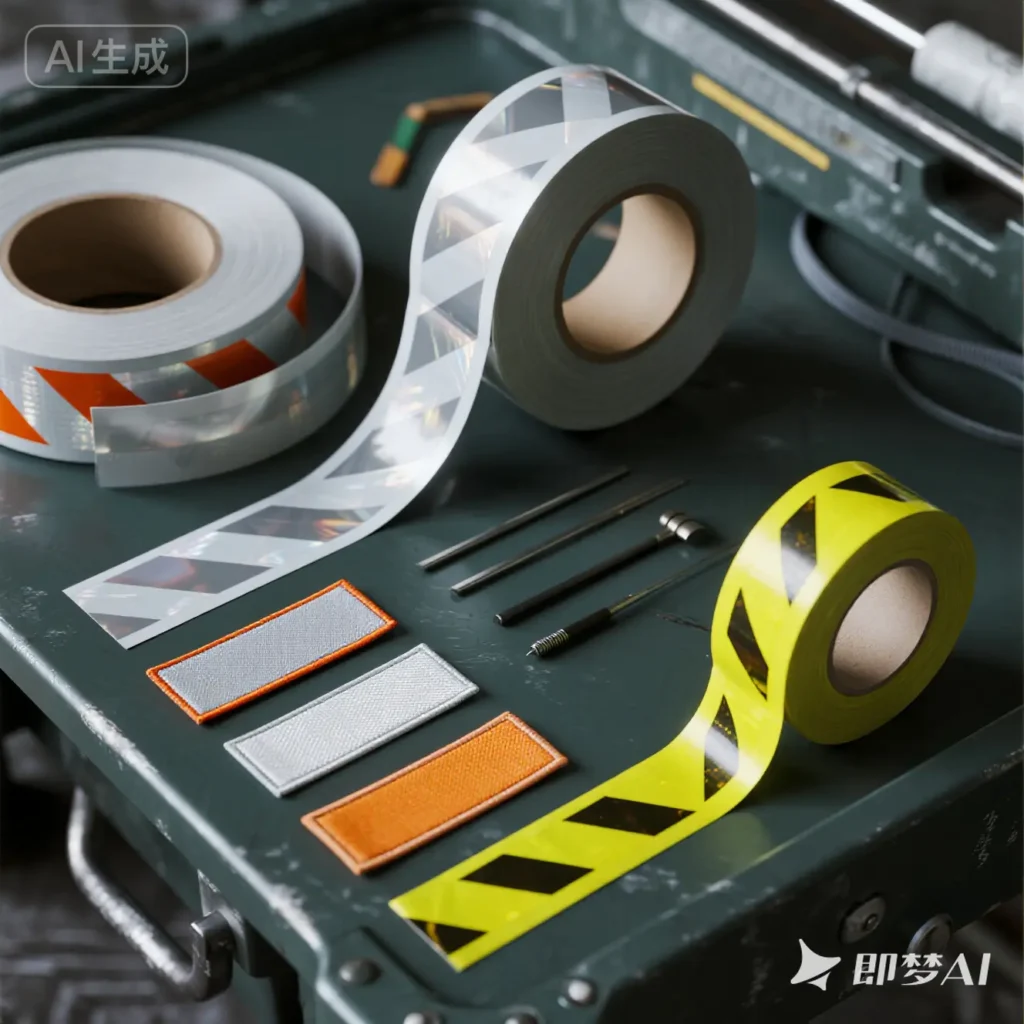
The core function of reflective tape strip comes from retroreflection. Instead of simply shining or glowing on its own, the material returns incoming light back toward the source. That is why reflective tape appears bright in car headlights or flashlight beams, even in dark environments.
In the market, the phrase “high visibility reflective tape strip” may refer to different product categories. Some are intended for garments, school bags, rainwear, and safety accessories. Others are made for vehicles, industrial equipment, warning marking, or traffic-related use. This distinction matters because not all reflective strips are built for the same performance level or service life.
For B2B buyers, the definition should always be tied to use case. A reflective strip for clothing decoration is not the same as reflective striping tape used on transport equipment or safety vehicles. The product name may sound similar, but the technical expectations can be very different.
- High visibility reflective tape strip is a narrow reflective material used to improve low-light visibility.
- It can be sew-on, adhesive-backed, heat-transfer, or designed for rigid-surface application.
- Product names may overlap, but intended use determines whether a strip is suitable for safety-critical applications.
How Does Reflective Tape Strip Work and Why Does It Matter?
Reflective tape strip works by returning light back toward the source, which helps improve visibility at night or in dim conditions. This makes it useful in situations where early recognition can reduce risk.
Its value comes from retroreflection, not decoration alone. The better the material and construction, the more effectively it helps people or objects stand out in low-light environments.
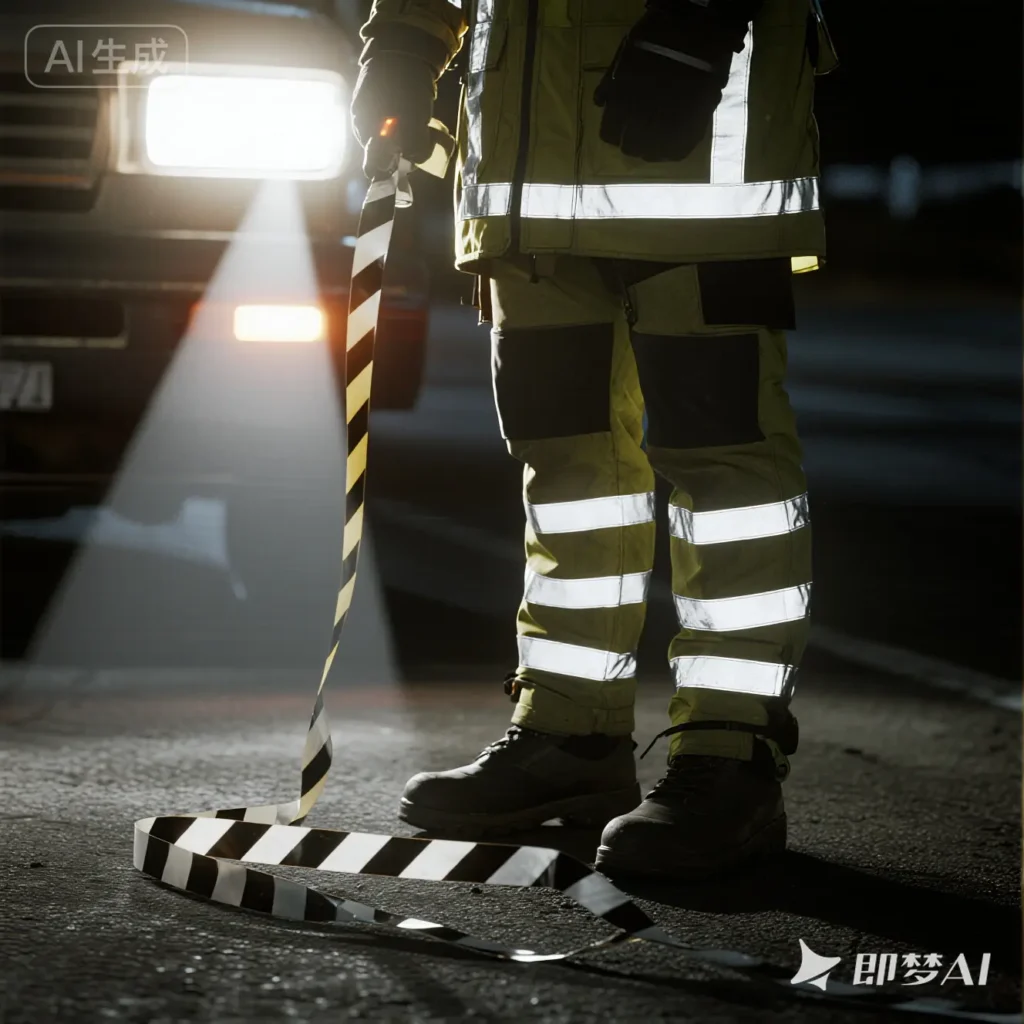
Most reflective tape products rely on engineered optical structures such as glass bead or microprismatic technology. These structures redirect light rather than scattering it, which is why reflective tape can look much brighter than ordinary colored tape under headlights.
This matters in real-world applications because visibility often affects reaction time. On workwear, reflective strips can help workers stand out near traffic or machinery. On vehicles and equipment, reflective tape can improve recognition in loading zones, roadside situations, warehouses, and night operations. On consumer products, it may also add a useful safety layer for cyclists, children’s bags, or outdoor gear.
However, brightness is only part of the picture. Buyers should also think about how the tape performs after exposure to weather, washing, friction, bending, or long-term outdoor use. A strip that looks bright in a product photo may perform very differently after repeated use in the field.
- Reflective tape strip improves visibility by returning light toward the source.
- Its effectiveness depends on the optical construction and material quality.
- Long-term performance matters as much as initial brightness, especially in safety-related applications.
Where Is High Visibility Reflective Tape Strip Commonly Used?
High visibility reflective tape strip is used across many industries because visibility needs are not limited to one single market. The product appears in both consumer and industrial settings, but the technical expectations vary widely.
Common applications include garments, bags, vehicles, tools, trailers, industrial equipment, safety gear, and transport-related marking.
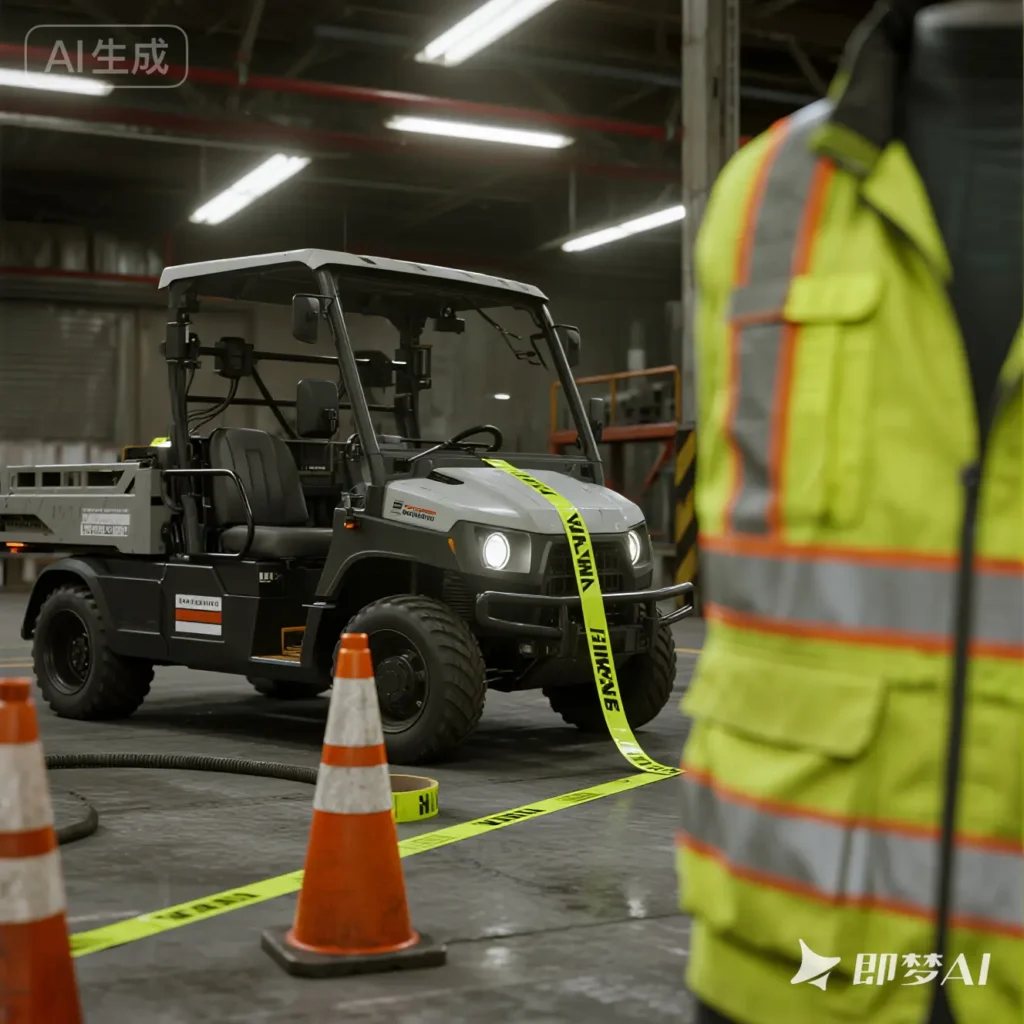
In textile and apparel use, reflective strips are often applied to uniforms, jackets, raincoats, sportswear, school bags, and protective clothing. In these cases, flexibility, wash resistance, sewing compatibility, or heat-transfer suitability become important selection factors.
In vehicle and equipment applications, reflective striping tape may be used on trailers, utility vehicles, maintenance equipment, construction machinery, or transport tools. For these uses, buyers often care more about outdoor durability, adhesive performance, weather resistance, and whether the product fits industry regulations or fleet marking requirements.
There is also a middle category that includes general safety and industrial utility. Warehouses, factories, logistics operators, and maintenance teams may use reflective strips on carts, barriers, storage zones, tools, or hazard-marked surfaces. Here, the decision often comes down to practical visibility improvement rather than branding or decoration.
This range of uses is exactly why buyers should be cautious when comparing products online. Two items may both be labeled as reflective tape strip, but one may be suitable only for light-duty consumer use while another is intended for more demanding industrial or transport environments.
- Reflective tape strip is widely used in apparel, bags, vehicles, equipment, and industrial safety settings.
- Different applications require different backing types, durability levels, and reflectivity performance.
- Buyers should match the product to the real use environment instead of relying on generic product names.
What Should Buyers Check Before Choosing a Reflective Tape Strip Supplier?
A good buying decision depends on much more than strip width, color, or unit price. For B2B buyers, the real concerns are application fit, consistency, durability, and documentation.
The best reflective tape strip supplier is usually the one that can match the product to the intended use case and provide stable quality, clear specifications, and reliable support.
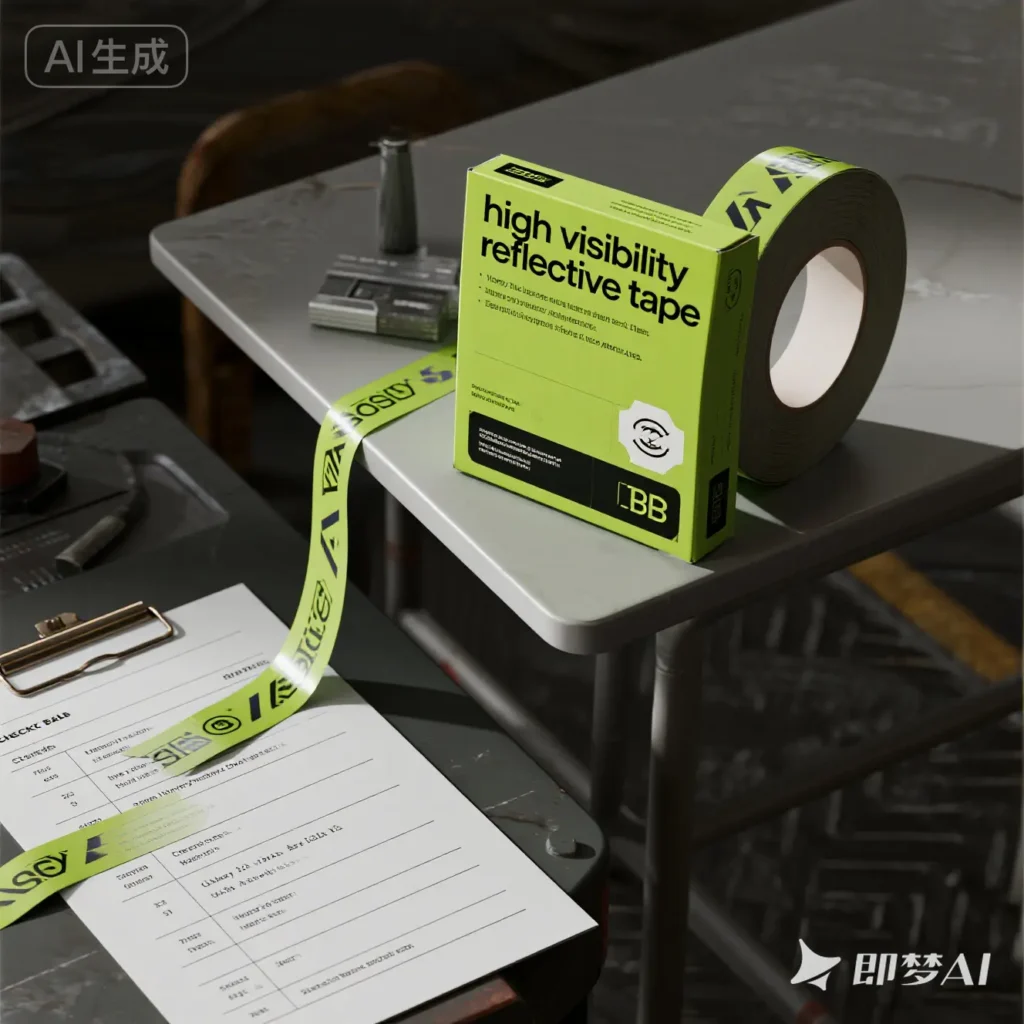
First, confirm the intended application. Is the tape for garments, personal accessories, vehicle striping, industrial tools, or safety equipment? This single question often determines whether you need sew-on tape, adhesive-backed tape, heat-transfer tape, or a higher-grade reflective striping product.
Second, check the material performance details. Buyers should ask about reflectivity, backing type, adhesion, flexibility, wash resistance, weather resistance, and expected service conditions. If the application involves outdoor exposure or safety responsibility, these points matter far more than simple product description wording.
Third, ask about compliance and test support where relevant. Not every reflective strip requires formal certification, but in some industries standards and performance documentation are essential. If the product is intended for regulated safety applications, buyers should request technical data sheets, test reports, and application guidance before ordering in volume.
Fourth, evaluate supplier reliability. This includes sample consistency, lead time stability, communication quality, packaging, and after-sales response. Many sourcing problems do not come from the reflective material concept itself, but from inconsistent batches, unclear specifications, or weak technical support.
In my view, one of the most common mistakes is treating all reflective strips as interchangeable commodity items. In reality, the gap between a light-duty decorative strip and a dependable safety-use reflective product can be significant.
- Buyers should first match reflective tape strip type to the intended application.
- Technical details such as durability, adhesion, and environmental resistance matter more than product title alone.
- Supplier quality, documentation, and consistency are critical for B2B purchasing.
Conclusion
High visibility reflective tape strip is a practical and widely used product that helps improve visibility across garments, bags, vehicles, tools, industrial equipment, and safety applications. But the term covers many different product types, and that is exactly why buyers need to look beyond the label.
The most effective purchasing approach is to define the real use case first, then evaluate reflectivity, application method, durability, and supplier reliability. Whether you are sourcing for workwear, vehicle marking, industrial safety, or light commercial use, choosing the right reflective tape strip can improve both visibility and long-term product performance.
- Technical background on retroreflective materials
- Reflective tape product data sheets from major brands
- Safety garment and vehicle marking standards where applicable
- Reflective sheeting application guidelines
FAQs
1. What is the difference between reflective tape strip and reflective striping tape?
The terms are sometimes used interchangeably, but in practice they may refer to different use levels. Reflective tape strip can describe general narrow reflective material, while reflective striping tape often refers more specifically to tape intended for vehicles, equipment, or surface marking.
2. Can high visibility reflective tape strip be used on clothing?
Yes, but the correct type matters. Some products are designed for sewing onto garments, while others are intended for heat transfer or adhesive application on non-fabric surfaces. Buyers should check the backing and intended use before purchase.
3. Is all reflective tape suitable for outdoor use?
No. Some reflective tape strips are suitable for light-duty indoor or consumer applications, while others are built for outdoor durability. Weather resistance, adhesion quality, and service life should always be verified for outdoor use.
4. What should B2B buyers ask reflective tape strip suppliers?
They should ask about application type, backing method, reflectivity performance, wash resistance or weather resistance, adhesive properties, service life, technical data sheets, and any relevant compliance or testing information.
5. How do I choose between decorative reflective tape and safety-use reflective tape?
Start with the use case. If the goal is decoration or light visibility enhancement, basic products may be enough. If the product is used in workwear, transport, industrial safety, or regulated applications, buyers should focus on performance, durability, and documentation rather than appearance alone.