
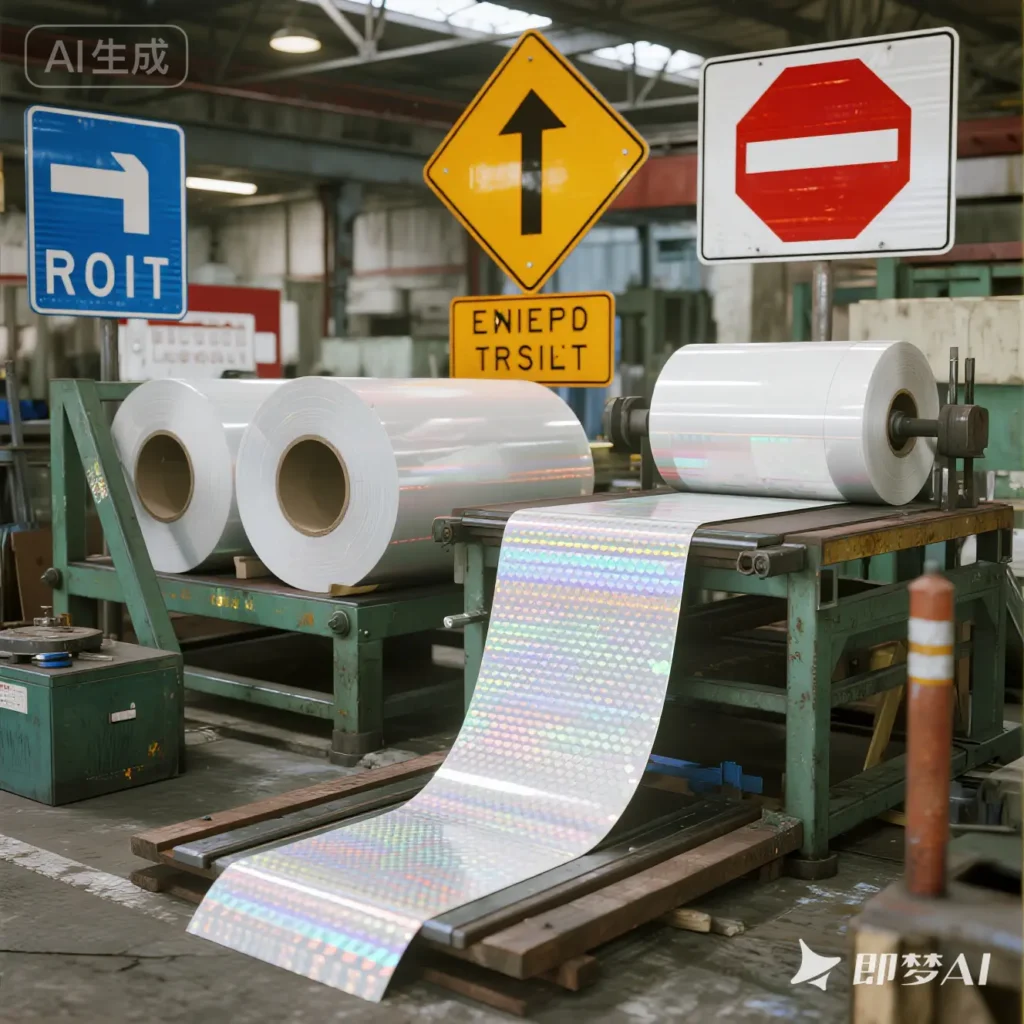
Engineering Grade Reflective Sheeting, often shortened to EGP, is one of the most common entry-to-mid level reflective materials used in road sign and traffic safety applications. Many buyers recognize the term, but far fewer understand what it really means in procurement terms. The real question is not whether EGP is reflective. The real question is whether it provides enough performance for the road environment, sign function, and service life required by the project.
In practical terms, EGP is a reflective sheeting category typically used for traffic signs and safety markings where moderate nighttime visibility, reasonable durability, and cost control are all important. It is often positioned below higher-performance products such as HIP and DG3.
This is why EGP should not be selected simply because it is cheaper than higher grades or because a supplier labels it “engineering grade.” Buyers need to understand where EGP performs well, where it becomes a compromise, and how to confirm whether it matches the actual application standard and visibility demand.
Engineering Grade Reflective Sheeting is the right choice when the project requires a practical balance of cost, service life, and visibility—but it is the wrong choice when road speed, sign criticality, or project specifications call for higher-performance reflective materials.
What Does Engineering Grade Reflective Sheeting Actually Mean?
The phrase “engineering grade” sounds simple, but in the market it is often used too loosely.
In most B2B use, EGP refers to a reflective sheeting category positioned for standard traffic sign use, offering a practical balance between reflectivity, durability, and price rather than the highest available performance.
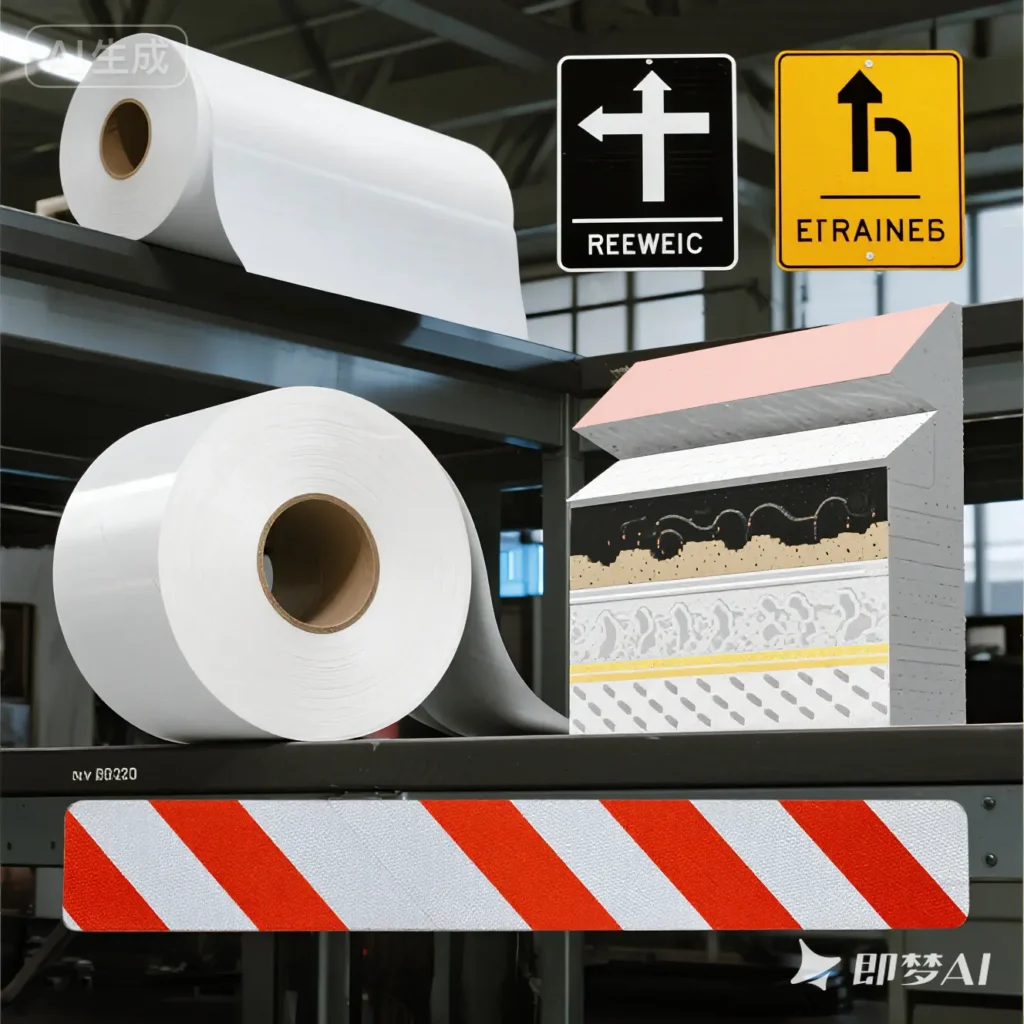
Historically, engineering grade was associated with lower-level reflective sheeting used on common traffic signs. In today’s market, many EGP products are prismatic rather than older glass bead structures, which means the category can include materials that perform better than some buyers expect.
That said, EGP is still generally understood as a lower or middle performance class compared with High Intensity Prismatic (HIP) and Diamond Grade (DG3). It is usually chosen when the project needs dependable retroreflection but does not require the higher visibility and longer performance expected from premium sign materials.
This is where confusion often starts. Some suppliers use “engineering grade” as if it were a universal technical guarantee. It is not. The label only becomes meaningful when tied to:
- optical structure,
- actual reflectivity values,
- durability expectations,
- applicable standards,
- and intended traffic use.
Buyers should therefore treat EGP as a performance category to be verified, not just a product title to be accepted.
- EGP is a category, not a universal quality guarantee.
- Modern EGP products may be prismatic, but they still sit below higher-performance grades.
- Buyers should verify the actual technical level behind the “engineering grade” label.
How Is EGP Different from HIP and Diamond Grade Reflective Sheeting?
This is one of the most important buying questions, because many sourcing mistakes come from comparing grades only by price.
The basic difference is that EGP is generally used where moderate performance is sufficient, while HIP and DG3 are selected when longer reading distance, stronger nighttime visibility, and higher criticality are required.
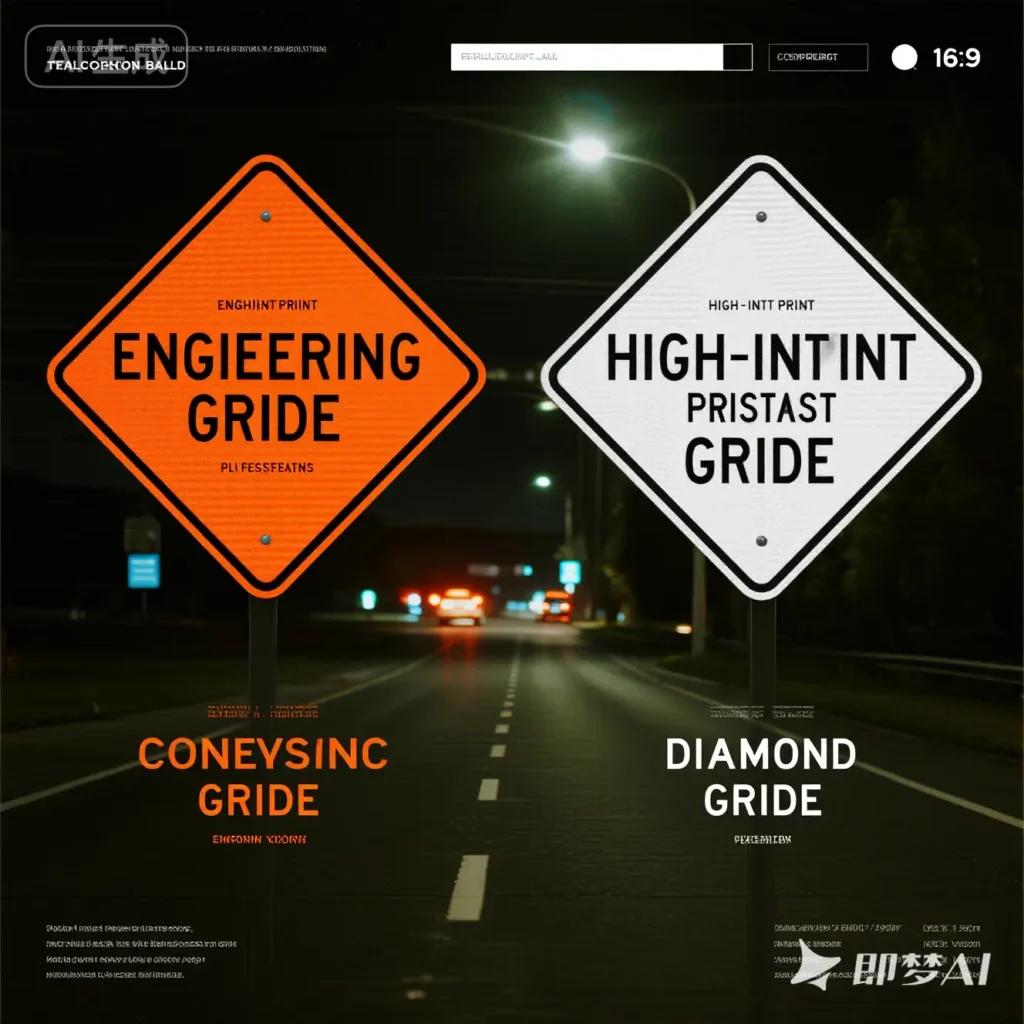
In general terms, the three categories are often understood like this:
- EGP: practical entry-to-mid level performance for standard traffic sign use
- HIP: stronger visibility and often better suitability for higher-speed or more demanding road environments
- DG3: premium-level performance for maximum conspicuity, long reading distance, and critical traffic guidance use
This does not mean EGP is “bad.” It means EGP is more application-sensitive. If the road environment is lower speed, sign complexity is lower, and specification requirements allow it, EGP may be a perfectly sensible choice.
However, if the sign is installed on high-speed roads, complex intersections, overhead structures, or critical guidance environments, then using EGP simply to save money may be a poor decision. Lower upfront cost can become the wrong kind of savings if the sign offers less nighttime readability or requires earlier replacement.
The key lesson for buyers is this: EGP should be compared against project requirements first, and only then against higher grades on cost.
- EGP is usually positioned below HIP and DG3 in visibility performance.
- A lower grade is not automatically wrong, but it must fit the application.
- Grade comparison should begin with road need, not quotation alone.
When Is Engineering Grade Reflective Sheeting the Right Choice?
EGP can be a strong buying decision when the project requirements are clear and realistic.
It is often suitable for standard road signs, lower-speed traffic environments, municipal projects, parking guidance, and other applications where basic to moderate retroreflective performance is acceptable and budget control matters.
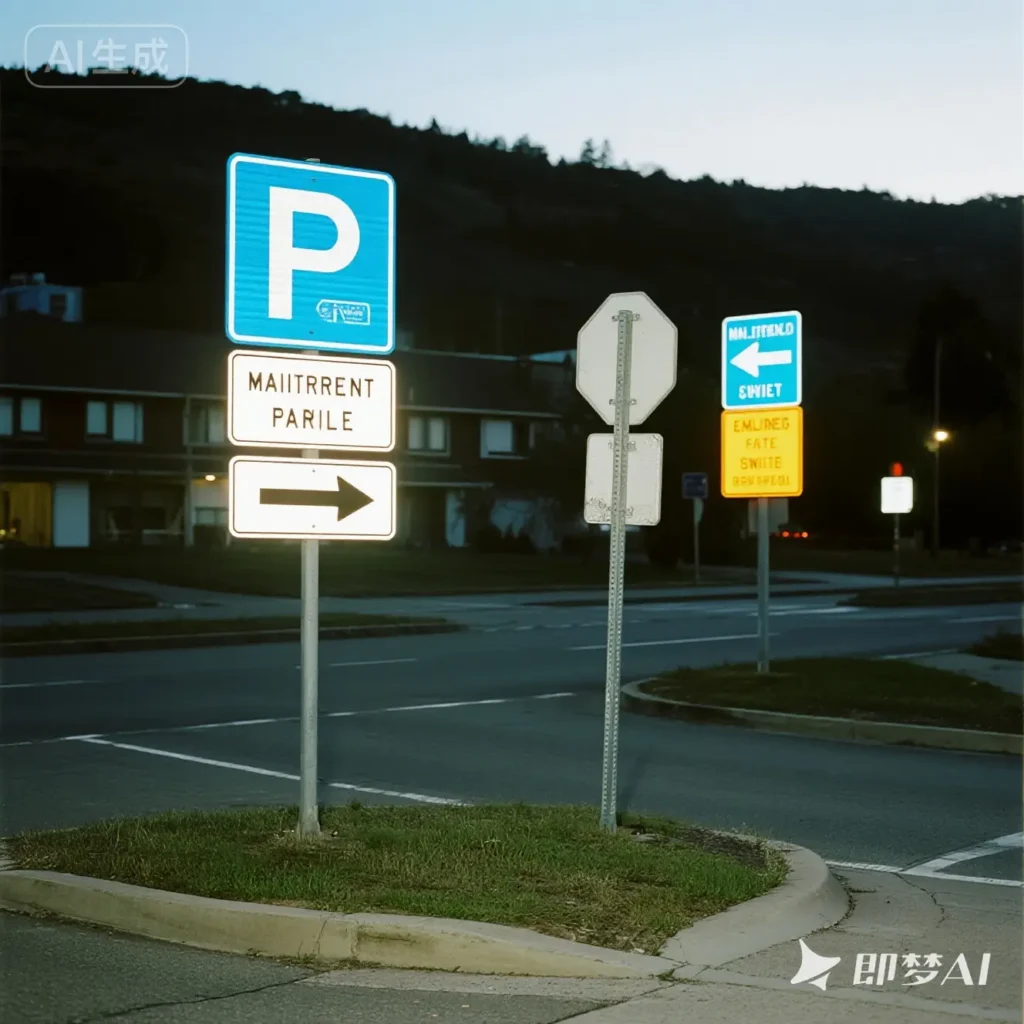
In my view, EGP is usually a rational choice when buyers are balancing three things:
- acceptable sign visibility,
- acceptable service life,
- and controlled project cost.
Typical use cases may include:
- local road signs,
- municipal signage,
- parking and facility guidance,
- low-to-moderate speed environments,
- and projects where specifications clearly permit engineering grade material.
It can also be suitable for distributors and sign makers who serve price-sensitive markets where premium-grade products would exceed project budgets without adding proportional value.
But EGP should not be treated as a default grade. Buyers should pause before choosing it for:
- expressways,
- high-speed arterials,
- critical warning signs,
- overhead guide signs,
- or any project with higher recognized visibility requirements.
The smartest EGP buyers are not the ones who buy the cheapest roll. They are the ones who know exactly where EGP is sufficient and where it is not.
- EGP is often a good fit for standard, lower-speed, or cost-sensitive sign applications.
- It works best when project specifications and road conditions clearly allow it.
- EGP should be chosen intentionally, not as the automatic default.
What Should Buyers Check Before Ordering EGP from a Supplier?
Not all EGP products are equal, and not every supplier uses the category honestly.
Before ordering, buyers should verify technical data, standards relevance, durability expectations, production consistency, and whether the material is really suitable for the target traffic environment.

If I were buying EGP for a road sign project, I would start with five checks.
1. Technical data clarity
Ask for reflectivity information, construction type, durability statement, and application recommendation.
2. Standards alignment
Check whether the product relates to the project’s required standards, specifications, or local road authority expectations.
3. Actual grade position
Ask the supplier to explain how this EGP compares with their HIP and DG3 products. If they cannot explain the difference clearly, confidence should drop.
4. Sample and batch consistency
Make sure the approved sample reflects actual production material, not just a best-case sample.
5. Supplier reliability
Review communication quality, technical support, repeat-order consistency, and ability to provide useful documentation.
This matters because EGP is often sold into competitive, price-sensitive markets where some suppliers oversimplify or overstate product capability. Buyers should resist vague wording like “high quality engineering grade” unless it is backed by real technical detail.
- EGP sourcing should be based on technical verification, not category name alone.
- Standards fit and supplier clarity matter as much as unit price.
- Sample consistency is especially important in competitive, price-driven projects.
Conclusion
Engineering Grade Reflective Sheeting (EGP) remains an important and useful reflective material category because it offers a practical balance of visibility, durability, and cost for many standard traffic sign applications. But it is only a good buying decision when that balance matches the real project requirement.
For sign makers, distributors, and project buyers, the key is to stop treating EGP as a generic low-cost default. Instead, it should be evaluated against road speed, sign importance, durability needs, and project specifications. When used in the right context, EGP is a sensible and efficient choice. When used in the wrong context, it becomes a hidden compromise.
- Technical bulletins from major reflective sheeting brands
- ASTM or EN references relevant to traffic sign materials
- Supplier data sheets comparing EGP, HIP, and DG3 grades
FAQs
1. What does EGP mean in reflective sheeting?
EGP usually stands for Engineering Grade Prismatic or Engineering Grade Reflective Sheeting, depending on how the supplier describes it. In practice, it refers to a lower or middle reflective sheeting grade used for standard sign applications.
2. Is EGP better than HIP?
Not in overall performance. HIP is generally positioned above EGP in visibility and application level. EGP is usually chosen when project conditions do not require the higher performance of HIP.
3. Can EGP be used for highway signs?
Sometimes, but buyers should be cautious. Highway and high-speed applications often require stronger visibility and may call for higher grades depending on the specification and road environment.
4. Is engineering grade reflective sheeting always prismatic?
Not always in historical terms, but many modern EGP products are prismatic. Buyers should verify the actual construction rather than assume based on the label.
5. What should I ask an EGP supplier before ordering?
Ask for technical data sheets, durability information, standards relevance, sample consistency, and a clear explanation of how the product differs from higher grades such as HIP and DG3.