

Black reflective sheeting is one of the most misunderstood reflective material categories in the market. At first glance, many buyers assume it is simply reflective sheeting in a darker color. In practice, black reflective sheeting is usually selected because it combines two goals that are often difficult to balance: a low-profile daytime appearance and visible retroreflection at night. That makes it attractive in specific applications, but also easy to misuse if buyers do not understand its limitations.
In practical terms, black reflective sheeting is a reflective film designed to appear dark or black in daytime conditions while still returning light under directed illumination such as vehicle headlights. It is typically used where aesthetics, subdued branding, or low-contrast daytime appearance matter alongside nighttime visibility.
This is why black reflective sheeting should not be treated as a universal replacement for standard reflective colors. For some projects it is an excellent material choice. For others, it may reduce visibility contrast or fail to meet the intent of safety marking requirements. Buyers need to evaluate it based on real application purpose, not visual preference alone.
Black reflective sheeting is most useful when buyers need a discreet daytime look with nighttime reflectivity, but it should only be chosen after confirming that visibility, contrast, and compliance requirements still match the intended application.
What Makes Black Reflective Sheeting Different from Standard Reflective Colors?
The key difference is not just color. It is the balance between daytime appearance and nighttime visibility.
Standard reflective sheeting is usually designed to maximize conspicuity in both day and night conditions, while black reflective sheeting is often chosen because it looks subtle in the daytime and becomes visually active only under directed light.
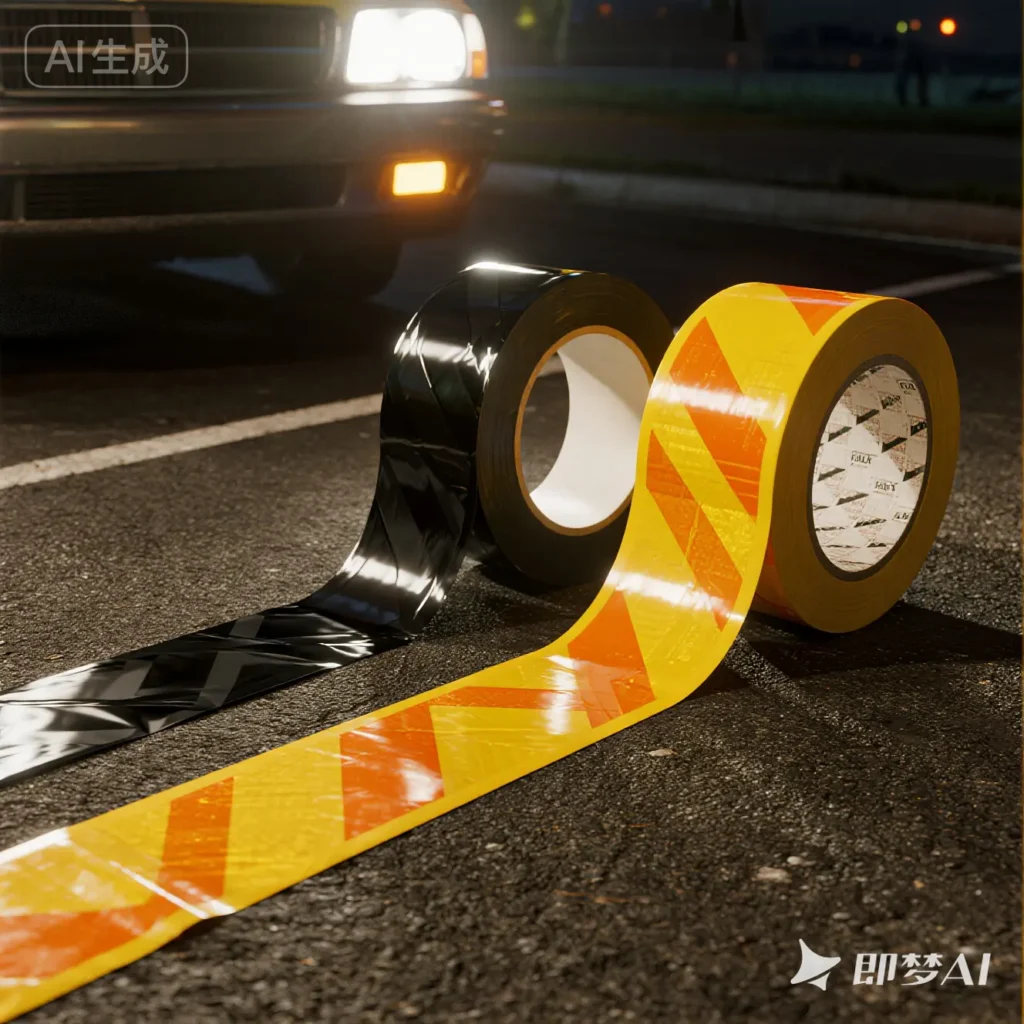
Most reflective materials are expected to stand out visually even before headlights hit them. That is why bright colors such as white, yellow, red, orange, or fluorescent tones dominate many safety applications. Black reflective sheeting is different because its value often lies in visual restraint.
In daytime use, it may blend more naturally into dark surfaces such as black vehicles, premium packaging, motorcycle parts, branded equipment, helmets, or graphic designs. Under night illumination, however, it produces reflective return that reveals shape, message, or graphic contour more clearly.
That combination makes black reflective sheeting especially interesting for:
- vehicle graphics,
- custom decals,
- premium branding,
- motorcycle or cycling accessories,
- fashion or outdoor gear,
- and some specialty industrial marking uses.
But buyers should be careful here: “black reflective” does not mean “best safety visibility.” In many warning or regulated safety uses, strong daytime contrast is just as important as night retroreflection.
- Black reflective sheeting is designed for a different visual balance than standard safety colors.
- Its main advantage is low-profile daytime appearance with nighttime reflectivity.
- It should not automatically be treated as the best choice for high-visibility safety applications.
Where Is Black Reflective Sheeting Actually Useful?
Black reflective sheeting performs best in applications where appearance matters alongside visibility.
Its strongest use cases are usually found in premium graphics, vehicle decals, lifestyle products, branding, and selected low-profile safety applications rather than in conventional high-contrast traffic warning environments.
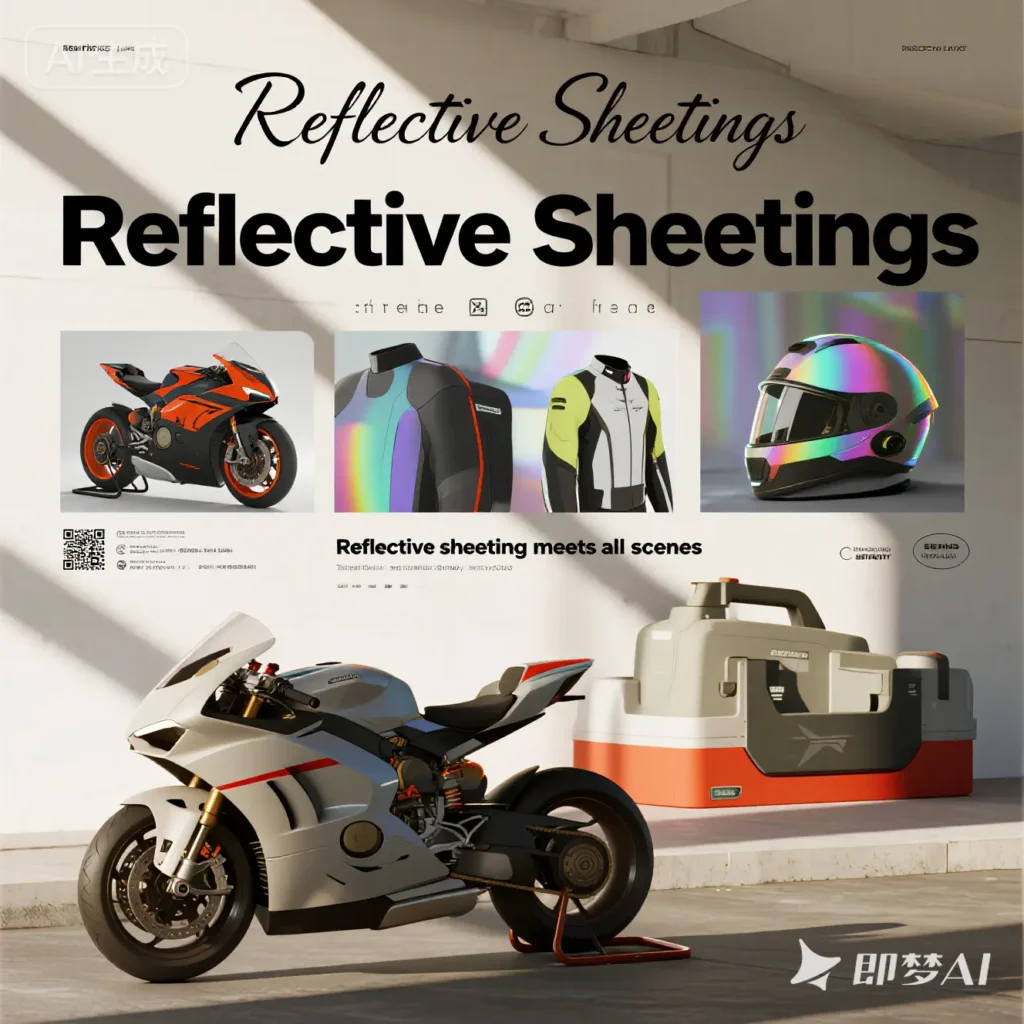
In the vehicle graphics market, black reflective sheeting is often chosen because it gives cars, trucks, or motorcycles a cleaner and more premium daytime look than white or yellow reflective graphics. At night, the reflective effect helps reveal outlines or messages under headlights.
In branded applications, it can be useful where a company wants a more subtle visual identity during the day while still gaining some reflective function after dark. This can apply to outdoor products, branded helmets, cycling gear, and commercial equipment.
It can also make sense in certain industrial or utility applications where reflective marking is needed but bright daytime color is undesirable for aesthetic or practical reasons. However, this should always be checked against the actual safety purpose. If the main requirement is hazard communication, black reflective material may not provide enough daytime conspicuity compared with brighter colors.
This is the central buying question: is the goal discreet visibility enhancement, or is the goal maximum safety contrast? Black reflective sheeting is usually much stronger in the first category than in the second.
- Black reflective sheeting is especially suitable for premium graphics and discreet visibility uses.
- It is often stronger in branding and vehicle decal applications than in standard hazard-warning uses.
- The intended visual goal should be defined before material selection begins.
What Performance Questions Should Buyers Ask Before Purchasing Black Reflective Sheeting?
Because black reflective sheeting is visually specialized, buyers should evaluate it more carefully than standard reflective colors.
The most important checks usually include daytime appearance, nighttime reflectivity, printability or convertibility, outdoor durability, and whether the material still provides enough contrast for the intended use.
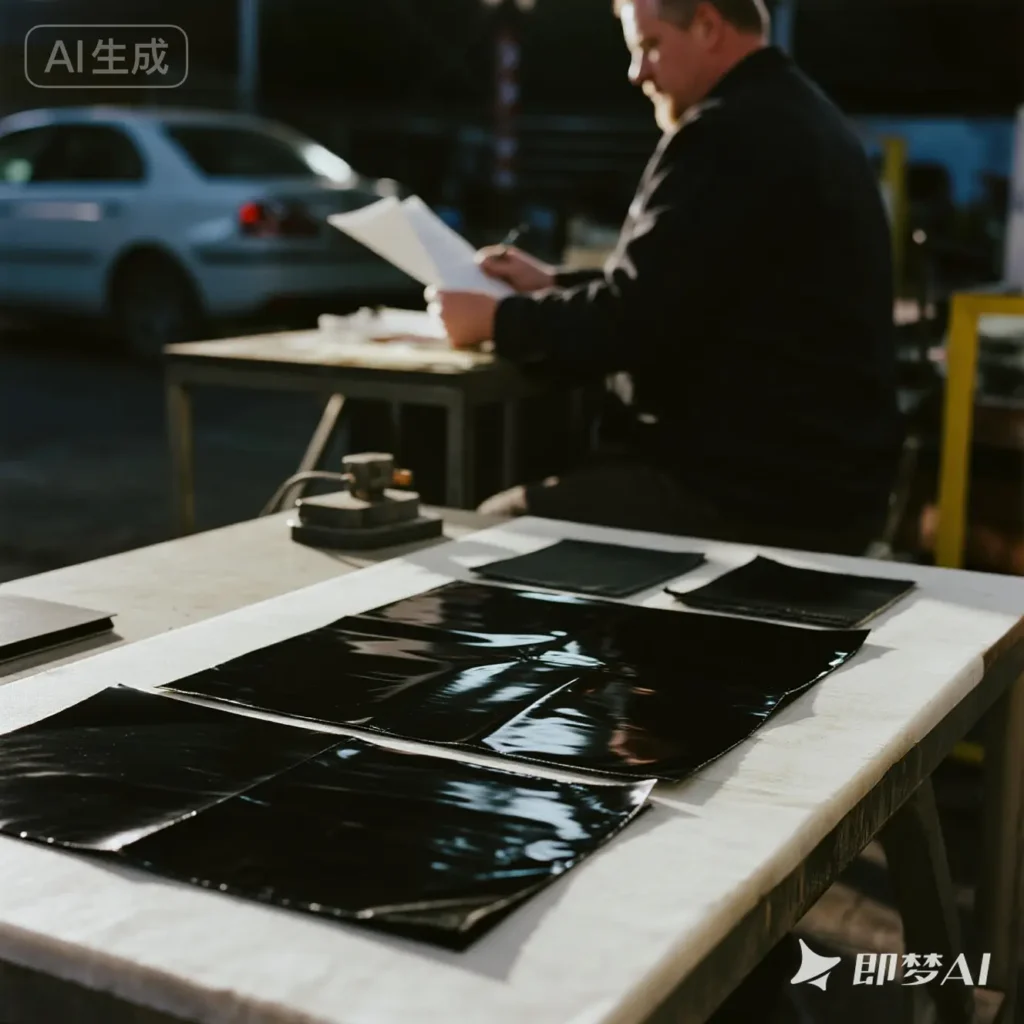
The first question should be about daytime appearance. Black reflective products are not all the same. Some look deep black, some appear charcoal gray, and some shift more noticeably depending on angle and lighting. If visual consistency matters, buyers should request multiple samples and compare them under real use conditions.
The second question is night reflectivity. Buyers should ask how the film performs when illuminated and whether the effect is intended to reveal text, pattern, contour, or broad-surface visibility. Not all black reflective materials produce the same visual result.
The third question is application method. Is it designed for plotter cutting, vehicle wrapping, screen printing, digital printing, or simple surface application? A black reflective film that looks attractive but performs poorly in cutting, weeding, or printing may not work well in production.
The fourth question is durability. Buyers should review:
- outdoor life,
- UV resistance,
- adhesive stability,
- flexibility on curved surfaces,
- resistance to cracking or lifting,
- and expected appearance after exposure.
The fifth question is fit for purpose. If the material is being considered for warning, traffic, or regulated marking, buyers should verify whether black is actually appropriate. In some use cases, a darker reflective surface may not satisfy the real visibility objective even if it technically reflects light.
- Daytime appearance and night effect should both be tested before ordering.
- Production compatibility matters just as much as visual appearance.
- Buyers should confirm that black reflective sheeting fits the safety purpose, not just the design preference.
How Should Buyers Compare Suppliers of Black Reflective Sheeting?
This category is particularly vulnerable to misleading sourcing because many suppliers use attractive visuals to sell products with very different real performance levels.
A good black reflective sheeting supplier should be able to explain not only brightness and color, but also application suitability, surface finish, durability, and production behavior in a clear and testable way.
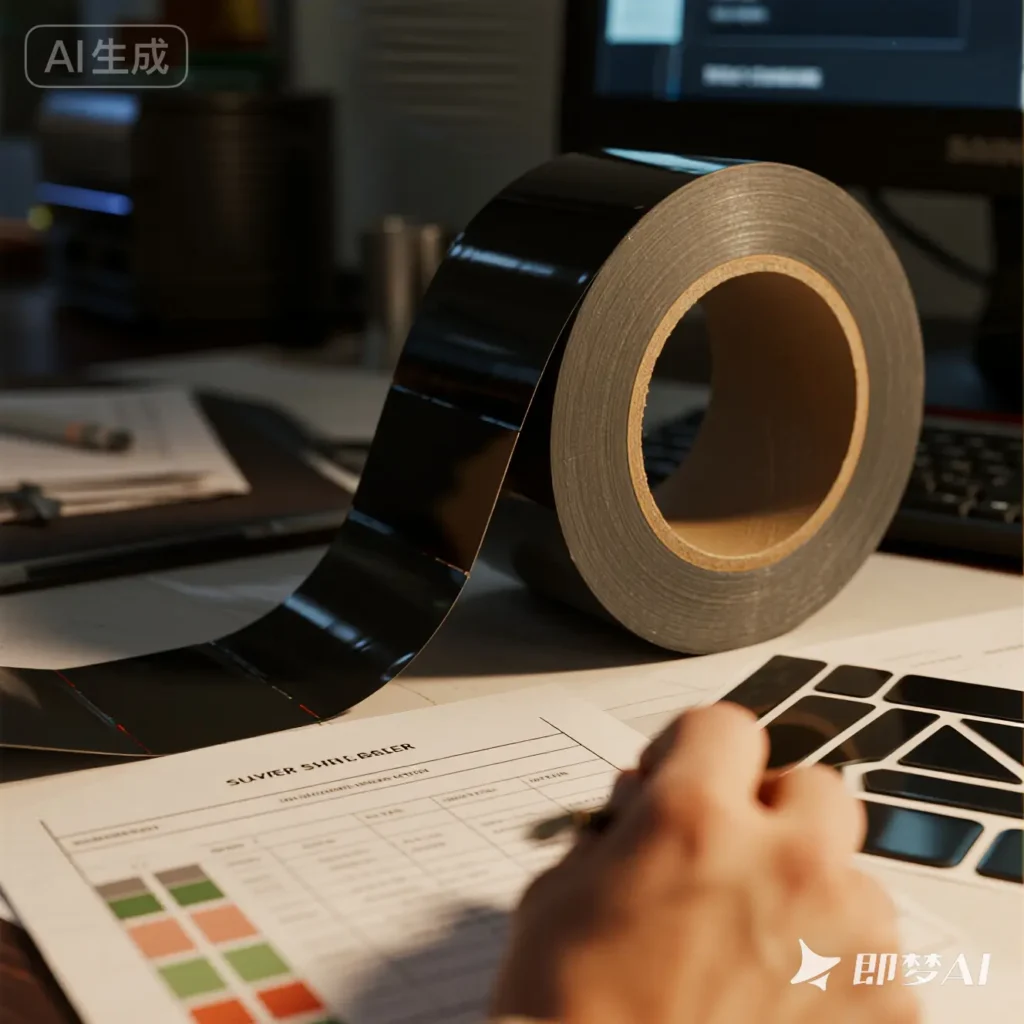
When comparing suppliers, buyers should begin with sample honesty. Does the supplier provide material that matches real production stock, or only ideal showroom pieces? This matters because black reflective products are often sold based on visual impression.
Next, compare technical explanation quality. A serious supplier should be able to answer:
- what the material is designed for,
- what it is not designed for,
- how it behaves in cutting or printing,
- what substrate it is best applied to,
- and how long it is expected to last outdoors.
Then compare consistency. If the buyer is sourcing for a brand program or recurring product line, color tone, gloss level, and reflective effect must remain stable across batches.
Also check whether the supplier understands the difference between decorative reflective use and safety-oriented reflective use. This is one of the biggest gaps in online selling. Some suppliers describe all black reflective materials as if they are equally suitable for every application, which is not true.
In my view, the best supplier is usually the one that helps narrow the application correctly—even if that means recommending a different material for some use cases.
- Black reflective sheeting suppliers should be judged on honesty, clarity, and consistency.
- Samples should reflect actual bulk-supply quality, not only showroom presentation.
- The best supplier often helps define the correct use case, not just push the sale.
Conclusion
Black reflective sheeting is a valuable specialty material when buyers need a dark daytime appearance combined with nighttime retroreflection. Its best applications are usually found in premium vehicle graphics, branding, outdoor products, and low-profile visibility enhancement—not in every safety marking scenario.
For buyers, the key is to define the goal first. If the goal is subtle aesthetics with reflective performance, black reflective sheeting can be an excellent choice. If the goal is maximum daytime warning contrast, brighter reflective colors may still be the better solution. Good sourcing decisions come from understanding that difference early.
- Technical data sheets from reflective film brands offering black reflective products
- Supplier documentation on cutting, printing, and surface compatibility
FAQs
1. Is black reflective sheeting really black during the day?
Usually yes, but the exact appearance depends on the product. Some materials look deep black, while others appear more charcoal or dark gray depending on angle, gloss, and lighting.
2. Is black reflective sheeting suitable for traffic safety applications?
Not always. It can reflect light at night, but in many safety applications strong daytime contrast is also essential. Buyers should verify whether black is appropriate for the intended safety purpose.
3. What is black reflective sheeting commonly used for?
It is commonly used for vehicle decals, premium graphics, branding, motorcycle accessories, helmets, outdoor gear, and low-profile reflective applications.
4. Does black reflective sheeting work well for cutting and decals?
Many products do, but buyers should confirm whether the material is intended for plotter cutting, weeding, printing, or surface graphics before ordering.
5. What should buyers test first before ordering black reflective sheeting in bulk?
They should test daytime appearance, nighttime reflectivity, production compatibility, outdoor durability, and whether the material provides the right visual effect for the intended application.