

Reflective sheeting improves road safety in a very practical way: it helps drivers see, identify, and react to road information earlier, especially at night and in poor weather. That sounds simple, but in real traffic conditions the difference between early recognition and late recognition can directly affect braking distance, lane decisions, and collision risk. For this reason, reflective sheeting is not just a sign material. It is part of the safety performance of the road environment itself.
In practical terms, reflective sheeting improves road safety by increasing the nighttime visibility of traffic signs, lane guidance devices, warning panels, and roadside safety products. Better visibility gives road users more time to understand information and respond correctly.
This is why reflective sheeting should not be discussed only as a material purchase. For road authorities, sign manufacturers, distributors, and project buyers, the more important question is how different reflective materials perform under real conditions such as darkness, rain, vehicle headlight angles, speed, and long-term outdoor exposure.
Reflective sheeting improves road safety most effectively when the material grade matches the real road environment, sign purpose, traffic speed, and durability requirements rather than being selected only on price.
Why Does Earlier Sign Recognition Matter So Much for Road Safety?
Road safety is heavily influenced by how quickly drivers can recognize and understand information ahead of them.
Reflective sheeting helps because it makes traffic signs and devices visible from farther away and under lower-light conditions, which increases driver reaction time.

In daylight, many traffic signs are easy to read because ambient light does most of the work. At night, the situation changes. The driver often depends mainly on vehicle headlights to illuminate signs. If the sign face does not return enough light back to the driver, recognition distance drops, and the driver has less time to decide whether to slow down, stop, change lanes, or prepare for a hazard.
This matters most in places where fast decisions are required:
- intersections,
- exits,
- curves,
- work zones,
- merges,
- and hazard-warning locations.
A well-made reflective sign face does not create safety by itself, but it supports the driver’s ability to interpret the road correctly and in time. That time margin is important. Even a small increase in readable distance can improve decision quality, especially at moderate to high driving speeds.
For sign buyers and road project teams, this means material choice affects more than product appearance. It affects how early information becomes usable to the driver.
- Road safety depends heavily on recognition time, not only on sign presence.
- Reflective sheeting helps increase readable distance at night.
- Better recognition distance usually means more time for safer driver decisions.
How Does Reflective Sheeting Perform in Rain, Low Light, and Bad Weather?
Many roads are not dangerous because signs are missing. They become dangerous because visibility conditions reduce how effectively signs are seen.
Reflective sheeting becomes especially important in wet-night driving, fog, rain, and low-light conditions because ordinary colored surfaces lose visibility much faster than retroreflective materials.

Bad weather reduces contrast, increases visual clutter, and makes it harder for drivers to judge road geometry. In these conditions, reflective sheeting helps restore visibility by sending headlight illumination back toward the driver.
But not all reflective materials perform equally well in these situations. Lower-grade products may be acceptable for low-speed or temporary applications, while higher-grade materials usually perform better where:
- approach speeds are higher,
- road geometry is more complex,
- sign reading distance matters more,
- or wet-night recognition is critical.
This is one reason road authorities and sign makers pay close attention to material grade rather than simply asking whether a film is reflective. The relevant question is whether it remains effective after years of weathering and under difficult nighttime conditions.
For buyers, this means that material evaluation should include not only daytime appearance or initial brightness, but also expected performance after outdoor aging, rain exposure, dirt accumulation, and long-term service.
- Poor weather increases the value of high-performing reflective materials.
- Wet-night and low-light performance are practical safety factors, not marketing extras.
- Buyers should evaluate long-term field visibility, not just new-sample appearance.
Why Do Reflective Sheeting Grades Matter for Different Road Applications?
One of the most common misunderstandings in the market is the idea that “reflective is reflective,” so the cheapest acceptable material should be enough.
In reality, different road environments require different reflective sheeting grades. A low-speed urban sign, a high-speed highway guide sign, and a temporary work-zone panel should not automatically use the same material level.
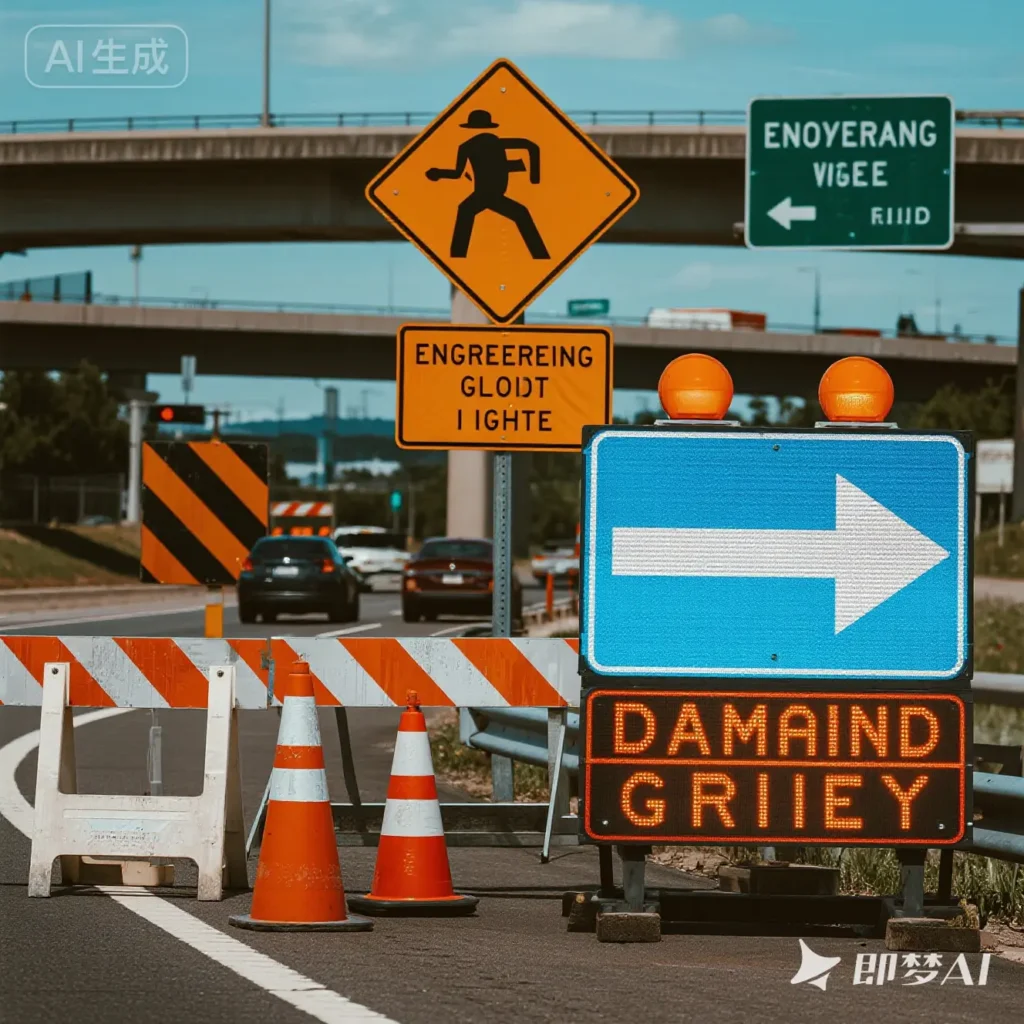
Reflective sheeting grades exist because roads do not all create the same visibility demands. The right grade depends on factors such as:
- traffic speed,
- sign type,
- sign size,
- road lighting conditions,
- sign placement height,
- urban versus rural environment,
- and expected service life.
For example, lower-speed local roads may tolerate more basic material in some cases, while high-speed roads, overhead signs, critical warnings, or major guide signs often require higher-performance reflective materials to support longer reading distances and better nighttime conspicuity.
This is also where standards and specifications matter. In many markets, reflective materials are selected according to project specifications, government standards, or recognized categories such as engineering grade, high intensity prismatic, or diamond grade. Buyers should not treat these labels as marketing language. They reflect expected performance classes.
In practical procurement, using too low a grade may reduce cost at the time of purchase but increase long-term risk through reduced night performance, shorter service life, and earlier replacement.
- Different roads and sign types require different reflective sheeting grades.
- Grade selection should be based on road function, speed, and visibility demand.
- Choosing the wrong grade can create both safety risk and long-term cost inefficiency.
What Should Sign Buyers and Road Project Teams Check Before Choosing Reflective Sheeting?
Road safety improves only when the selected material is suitable for the project and remains reliable after installation.
Before approving reflective sheeting for a road safety project, buyers should review application fit, relevant standards, durability, supplier documentation, and realistic long-term performance—not just quotation.
If I were reviewing reflective sheeting for a road sign or road safety project, I would start with five practical checks.
1. Match the material grade to the road environment
Is the project low-speed urban, rural arterial, expressway, work zone, or warning-heavy environment?
2. Review specification and standards requirements
Does the project refer to ASTM, EN, ISO, national road authority specifications, or internal engineering standards?
3. Check supplier documentation
Can the supplier provide technical data sheets, durability information, and clear grade identification?
4. Look at long-term performance, not just new material appearance
How will the sheeting perform after UV exposure, rain, dirt, and years of use?
5. Evaluate supplier consistency
Can the manufacturer or supplier deliver stable quality over repeat orders, not just a good sample roll?
This is especially important for contractors and road sign fabricators. If the wrong material is selected early, the problem may not become visible until after installation, when replacement becomes expensive and disruptive.
A good buying process therefore links safety function to material choice. That is where reflective sheeting becomes part of traffic engineering practice rather than just part of a sign bill of materials.
- Project evaluation should connect road conditions to material grade.
- Standards and documentation are part of safety purchasing, not paperwork only.
- Long-term durability and supplier consistency are essential for road projects.
Conclusion
Reflective sheeting improves road safety because it helps traffic information remain visible when drivers need it most—at night, in rain, in low light, and in high-speed decision environments. Its value is not decorative. Its value lies in helping road users recognize warnings, guidance, and regulatory messages early enough to respond safely.
For road sign manufacturers, project buyers, and public road authorities, the key lesson is simple: reflective sheeting should be chosen according to real traffic conditions and performance needs, not only by initial price. When grade, durability, and application fit are selected correctly, reflective sheeting becomes a meaningful part of safer road infrastructure.
- Road authority sign visibility guidelines
- ASTM references related to reflective sheeting performance
- Research on sign recognition distance and nighttime traffic safety
FAQs
1. How does reflective sheeting improve road safety at night?
It helps traffic signs and safety devices return vehicle headlight illumination back toward the driver, making them easier to see and read in darkness.
2. Is all reflective sheeting equally effective for road safety?
No. Different reflective sheeting grades perform differently, especially in high-speed, wet-night, and long-distance sign-reading situations.
3. Why do higher-grade reflective materials matter on highways?
Because higher-speed roads require earlier sign recognition, and higher-performance materials usually support better night visibility and longer readable distance.
4. Does reflective sheeting still matter on roads with street lighting?
Yes. Street lighting can help, but it does not replace the function of retroreflection, especially for sign clarity, directional guidance, and driver recognition under changing visibility conditions.
5. What should a buyer check before choosing reflective sheeting for road signs?
They should check grade suitability, standards requirements, durability, supplier documentation, and whether the material is appropriate for the actual road and sign application.